
USD




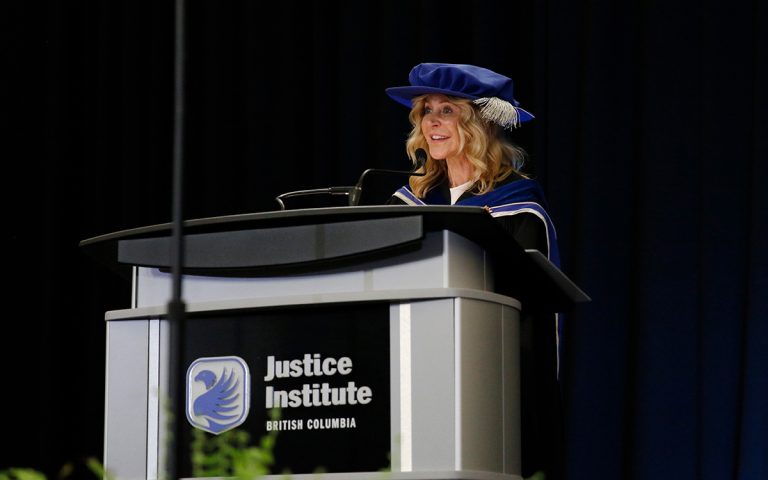
Accessibility is no longer viewed as an optional consideration when designing presentation spaces. Across North America, universities, government facilities, conference centers, hotels, and event venues are placing greater emphasis on creating environments that accommodate all speakers and attendees.
While much attention is often given to ramps, elevators, seating arrangements, and digital accessibility, one important element is frequently overlooked: the lectern.
The traditional podium was designed around a single speaker profile. Today’s organizations, however, host presenters with varying physical abilities, heights, mobility requirements, and presentation styles. As a result, accessible lecterns are becoming an increasingly important investment for organizations seeking to create inclusive and professional speaking environments.
As a Canadian manufacturer of podiums, lecterns, digital display lecterns, and accessible presentation solutions, Podium Pros has seen growing demand for adjustable and accessible lecterns across educational institutions, municipalities, convention centers, hotels, and corporate facilities. Their product lineup includes height-adjustable accessible lecterns designed to ensure all presenters can comfortably engage with their audience.
An accessible lectern is specifically designed to accommodate speakers with different mobility needs and physical requirements.
Unlike traditional fixed-height podiums, accessible lecterns often feature adjustable height mechanisms that allow presenters to comfortably deliver speeches while standing or seated. This flexibility helps ensure that wheelchair users and individuals with varying physical abilities can participate fully in presentations, ceremonies, meetings, and public events.
Podium Pros’ accessible lectern solutions include motorized height-adjustable models that can accommodate a wide range of users while maintaining a professional appearance suitable for modern venues.
Organizations today are expected to create environments that are welcoming and inclusive for everyone.
Whether hosting a university commencement ceremony, municipal council meeting, corporate conference, fundraising gala, or community event, accessibility directly impacts the experience of speakers and attendees alike.
A presentation space should allow every presenter to communicate effectively without barriers. When a speaker struggles to reach the reading surface, position notes comfortably, or use integrated technology because of a podium’s design limitations, the focus shifts away from the message being delivered.
Accessible lecterns help remove these obstacles while demonstrating a commitment to inclusion and equal participation. This aligns with a broader trend across educational institutions, public facilities, and event venues that are increasingly prioritizing accessible infrastructure and inclusive design practices.
Colleges and universities host a diverse range of events throughout the year, including lectures, commencement ceremonies, academic conferences, guest speaker presentations, and student leadership events.
Because presenters may include faculty members, students, visiting professionals, and community leaders, institutions need flexible presentation equipment to accommodate different needs.
An accessible lectern ensures that all speakers can comfortably participate in campus events while supporting the institution’s broader accessibility goals.
Educational institutions are also increasingly focused on creating equitable learning and presentation environments. As accessibility standards continue to evolve, adjustable lecterns are becoming a practical addition to lecture halls, auditoriums, conference rooms, and event spaces.
Municipal facilities present another compelling use case for accessible lecterns.
Town halls, council chambers, community centers, and government buildings regularly host public meetings, hearings, announcements, and ceremonies. These events often involve speakers from diverse backgrounds and abilities.
Because public institutions are expected to provide equal access and opportunities to participate, adjustable lecterns can help ensure that all individuals can address audiences comfortably and confidently.
Hotels, conference centers, and convention facilities have traditionally focused on audience comfort, audiovisual technology, and room design.
They are also increasingly recognizing the importance of speaker experience.
Modern venues host conferences, panel discussions, awards ceremonies, fundraisers, press conferences, and corporate events. The podium often serves as the visual focal point of these events, making functionality just as important as aesthetics.
Accessible lecterns allow venues to accommodate a wider range of presenters without requiring special arrangements or last-minute equipment changes. This flexibility improves event logistics while helping venues better serve their clients.
For venues seeking a balance between accessibility, technology integration, and professional design, modern lecterns are becoming a valuable competitive advantage.
Today’s lecterns are much more than a support for printed notes.
Many organizations now require integrated microphones, charging ports, display screens, audiovisual connections, and digital branding capabilities. As presentation technology evolves, accessibility must evolve alongside it.
An accessible lectern should provide users with equal access to all presentation tools and controls. Adjustable height, ergonomic design, and integrated technology help ensure that every presenter can effectively utilize the equipment provided.
This is especially important as hybrid events, digital presentations, and multimedia content become increasingly common across universities, government facilities, and event venues.
An accessible lectern is designed to accommodate users with varying physical abilities. Features often include adjustable height settings, wheelchair accessibility, ergonomic design, and easy access to presentation controls.
Universities, colleges, municipalities, government facilities, hotels, conference centers, convention centers, churches, corporations, and event venues can all benefit from accessible lectern solutions.
Yes. Adjustable lecterns are particularly valuable in multi-purpose environments because they can quickly adapt to different presenters and event formats.
Many accessible lecterns can be customized with branding, signage, technology integrations, and finish options to align with an organization’s visual identity and presentation requirements.
When organizations invest in presentation equipment, the focus is often placed on appearance, durability, and technology. While these factors remain important, accessibility deserves equal consideration.
An accessible lectern helps create an environment where every speaker can participate fully and confidently. It demonstrates an organization’s commitment to inclusion while providing practical benefits that improve usability for a wide range of presenters.
As accessibility expectations continue to evolve, universities, municipalities, conference centers, hotels, and corporate facilities are increasingly recognizing that accessible lecterns are not simply a compliance measure; they are an investment in better communication, stronger engagement, and a more inclusive experience for everyone involved.
Looking for an accessible lectern that combines professional design, durability, and modern functionality?
Contact Podium Pros and discover how adjustable podiums can help create more inclusive presentation environments for your organization.



Important Cross Border Shipping Update
Podium Pros will continue to provide you with a seamless shipment process for cross border transactions – Due to the fluidity of the information coming from The US govt.- we must notify you that imposed tariff amounts may be applicable and will be charged in addition to your order total – TBD on date of shipment – Estimate is $80-101 per standard aluminum Podium.